
Is Your Deck Showing Signs of Trouble?
Decks take a beating from weather, foot traffic, and age — and sooner or later, issues start to show. Soft spots, loose boards, wobbly railings, and stair problems are some of the most common signs that your deck needs repair. Homeowners often search for terms like deck repair near me, rotting deck repair, or loose deck boards because these symptoms can quickly turn into safety hazards if they’re ignored.
If your deck feels uneven, looks worn, or simply doesn’t seem as sturdy as it used to, identifying the problem early can save you from a costly rebuild. This guide breaks down the most common deck repair symptoms and the solutions that fix them — from replacing damaged boards and securing railings to correcting structural issues like failing posts or ledger boards. Use the table below to match what you’re seeing with the right repair so you can keep your deck safe, strong, and ready for everyday use. Check out our deck repairs services page and Bergen County deck services page for more information about how we can help.

Understanding the Most Common Deck Repair Problems (And How to Fix Them)
Decks are exposed to constant stress — weather, foot traffic, moisture, UV rays, and seasonal freeze‑thaw cycles. Over time, even the best‑built deck will start to show signs of wear. The key is recognizing these symptoms early so you can address small issues before they turn into major structural problems. Many homeowners don’t realize that a soft board or a loose railing isn’t just cosmetic; it can be a sign of deeper damage that affects the safety and lifespan of the entire structure.
Below, we break down the most common deck repair symptoms, what they typically mean, and the solutions that fix them. Whether you’re dealing with rotting wood, loose fasteners, or fading composite boards, understanding the cause behind the symptom helps you make the right repair decision.
Why Deck Repairs Matter More Than Most Homeowners Realize
A deck is more than an outdoor platform — it’s a load‑bearing structure that supports people, furniture, and constant movement. When something goes wrong, it’s rarely isolated. A soft spot in the decking might indicate rotted joists underneath. A wobbly railing could mean the post has deteriorated at the base. A ledger board pulling away from the house is one of the most dangerous issues a deck can have, and it’s responsible for the majority of deck collapses nationwide.
Regular inspections and timely repairs not only keep your deck safe but also extend its lifespan by years. Replacing a few boards or reinforcing a railing is far more affordable than rebuilding an entire deck because the damage was left unaddressed.
The Most Common Deck Repair Symptoms Explained
Homeowners often notice symptoms before they understand the cause. For example, a deck that feels bouncy might seem like a surface issue, but it usually points to structural rot in the joists or beams. Discoloration might look like simple staining, but it can indicate moisture retention that leads to mold and decay.
Here’s a deeper look at what these symptoms mean:
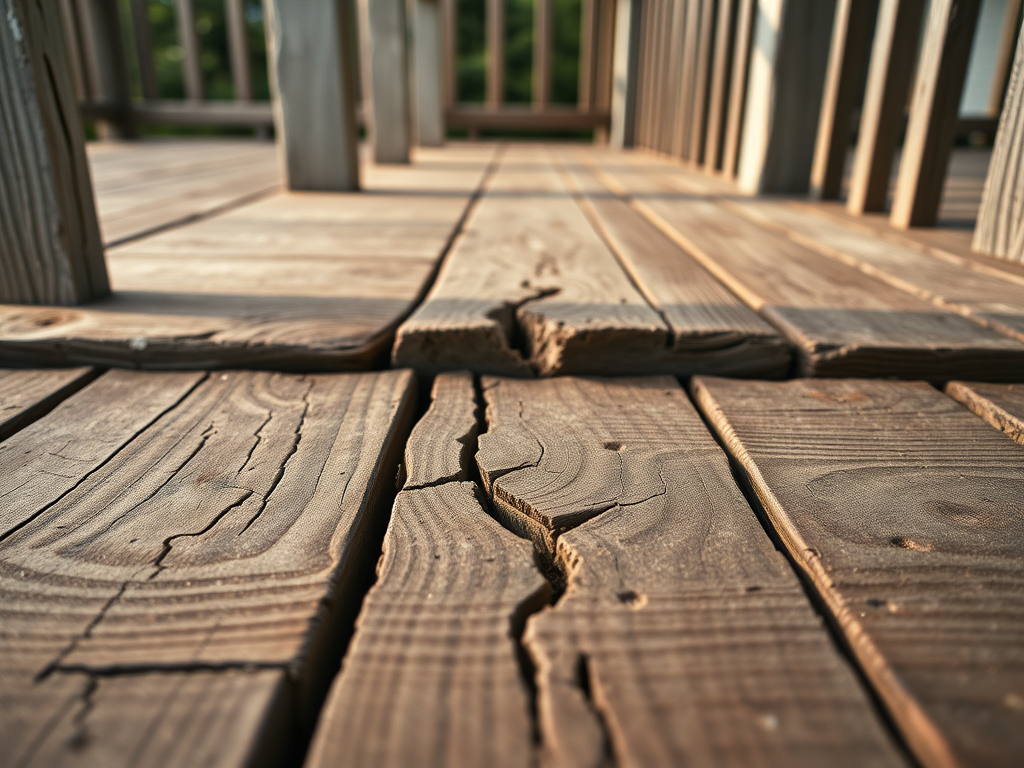
- Loose or warped deck boards usually come from moisture damage or aging lumber. Boards expand and contract with temperature changes, and over time, fasteners loosen. If the board is warped, it may need replacement; if it’s simply loose, re‑securing it may be enough.
- Soft or spongy spots are a red flag for hidden rot. Wood rot spreads from the inside out, so by the time the surface feels soft, the internal structure may already be compromised.
- Wobbly railings are one of the most common safety hazards. Railings loosen when posts rot at the base or when fasteners corrode. Because railings are a critical safety feature, this issue should be addressed quickly.
- Cracked or split boards are typically caused by sun exposure, age, and freeze‑thaw cycles. While small cracks can be sanded and sealed, deeper splits usually require board replacement.
- Loose or unsafe stairs often indicate failing stringers or rotted connections. Stair repairs are essential because stairs are one of the most common areas for homeowner injuries.
- Rot at the base of posts is caused by ground contact moisture or poor drainage. Once rot spreads beyond the first few inches, the post can no longer support weight safely.
- Ledger board issues are the most serious. The ledger is what connects the deck to the house. If it pulls away or shows signs of rot, the deck can detach — a major structural hazard.
- Rusting hardware weakens the entire deck. Corroded fasteners lose strength and can cause boards, railings, or framing to fail unexpectedly.
- Uneven or sloped decking often points to shifting soil or settling footings. This is common in older decks or decks built without proper footings.
- Composite deck fading or staining is usually cosmetic, but severe fading or brittleness can indicate aging boards that need replacement.
Each of these symptoms has a specific cause and a recommended repair solution — which is exactly what we outline clearly for homeowners.
Why Moisture Is the #1 Enemy of Decks
Moisture is responsible for most deck problems, especially in climates with rain, snow, and humidity. When water penetrates wood, it creates the perfect environment for rot, mold, and mildew. Even composite decks aren’t immune; while the boards themselves don’t rot, the framing underneath is still wood and can deteriorate.
Common moisture‑related issues include:
- Rotting joists and beams
- Ledger board rot
- Mold and mildew growth
- Warped or cupped boards
- Rusting fasteners
- Post decay at ground level
Proper sealing, flashing, drainage, and ventilation are essential to preventing moisture damage. Many homeowners don’t realize that a deck should be resealed every 2–3 years to maintain protection.
Structural vs. Surface Repairs: Knowing the Difference
Not all deck repairs are created equal. Some are simple surface fixes, while others require structural reinforcement.
Surface repairs include:
- Replacing cracked or warped boards
- Sanding and sealing
- Cleaning mold or mildew
- Replacing rusted screws or nails
These repairs improve appearance and prevent minor issues from spreading.
Structural repairs include:
- Replacing rotted joists or beams
- Reinforcing or replacing posts
- Repairing or re‑bolting the ledger board
- Rebuilding stairs
- Correcting sloped or sinking footings
Structural repairs are critical for safety and should be handled by a professional.
When Deck Repairs Become Urgent
Some deck problems can wait a little while; others need immediate attention. Issues that involve structural components — posts, beams, joists, ledger boards, and stairs — should be addressed as soon as possible. If your deck feels unstable, shifts under weight, or shows signs of pulling away from the house, it’s important to stop using it until it’s inspected.
Even cosmetic issues can become urgent if they create hazards. Splintered boards, popped nails, and loose railings can cause injuries, especially for children and older adults.
How to Know Whether to Repair or Replace Your Deck
Homeowners often wonder whether it’s worth repairing an older deck or if replacement is the better investment. In general:
- If the framing is solid, repairs are usually cost‑effective.
- If the framing is rotted or undersized, replacement may be the safer and more economical choice.
- If the deck is more than 20–25 years old, a full rebuild is often recommended.
A professional inspection can help determine the best path forward.
Keeping Your Deck Safe and Long‑Lasting
Regular maintenance is the key to extending the life of your deck. Simple steps like cleaning debris, sealing the wood, tightening fasteners, and checking for early signs of rot can prevent major repairs down the road. Homeowners who stay proactive often save thousands by catching issues early.