
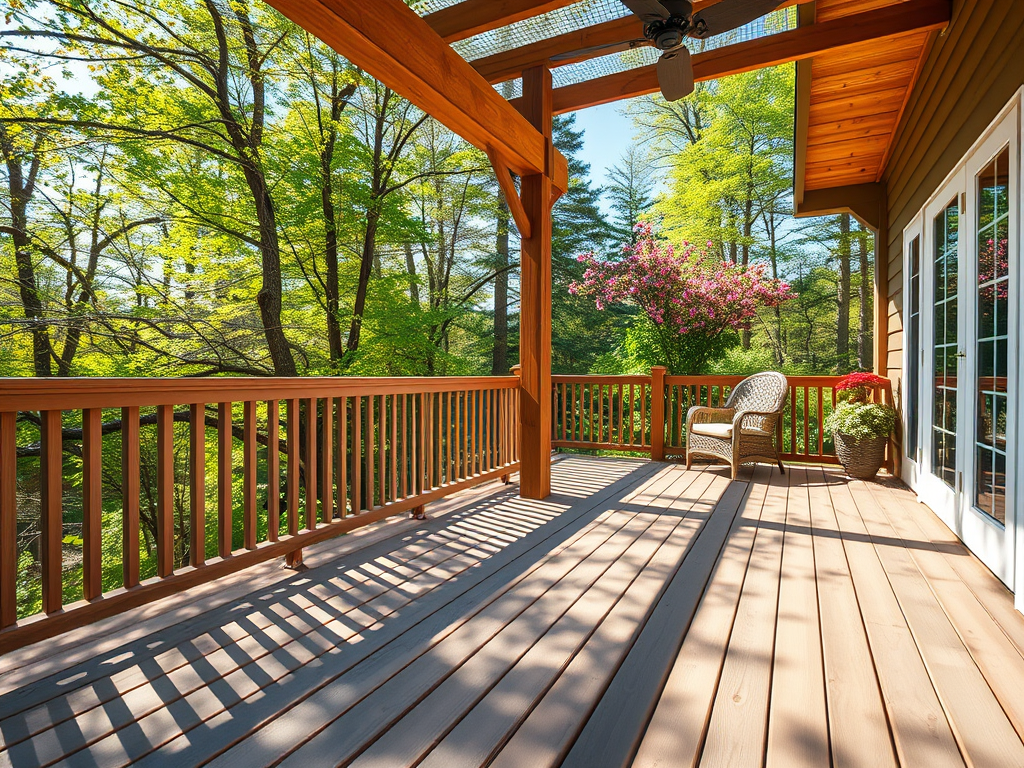
How to Prepare Your Deck for a Safe, Beautiful, and Long‑Lasting Outdoor Season Across Bergen County
Spring in New Jersey arrives with a sense of renewal — longer days, warmer temperatures, and the unmistakable urge to get outside after months of cold, snow, and freeze‑thaw cycles. For homeowners across Bergen County, from Ridgewood’s historic neighborhoods to the wooded hillsides of Mahwah and the estate‑style properties of Saddle River and Upper Saddle River, spring is the perfect time to inspect, repair, and refresh your deck before the outdoor season begins.
Whether you have a pressure‑treated wood deck, a composite deck, or a multi‑level structure overlooking a wooded backyard, spring maintenance is essential for safety, longevity, and appearance. Winter is harsh on decks in our region, and ignoring early warning signs can lead to expensive repairs — or worse, unsafe conditions.
This comprehensive guide walks you through everything you need to do to get your deck spring‑ready, with insights tailored to the unique conditions of Bergen County towns like Wyckoff, Allendale, Paramus, Glen Rock, Fair Lawn, Franklin Lakes, and Oakland. It’s designed for homeowners who want a clear, practical, expert‑level checklist that prevents problems before they start.
Why Spring Deck Maintenance Matters in New Jersey
New Jersey’s climate is uniquely tough on decks. Between freeze‑thaw cycles, heavy snow loads, spring rain, and high summer humidity, decks in our region experience more stress than in most parts of the country.
Spring is the ideal time to inspect your deck because:
- Winter moisture exposes structural weaknesses
- Snow and ice accelerate rot and fastener corrosion
- Temperature swings loosen connections
- Mold and algae thrive in early spring shade
- Spring storms test drainage and stability
These issues are especially common in:
- Mahwah & Oakland — where sloped, wooded lots trap moisture
- Paramus & Fair Lawn — where high water tables and flat yards cause pooling
- Franklin Lakes & Saddle River — where wetlands pockets and stream corridors affect drainage
- Ridgewood & Glen Rock — where older homes have aging decks and older framing
A simple spring inspection can prevent:
- Ledger failures
- Loose railings
- Rotting joists
- Cracked boards
- Structural sagging
- Pest damage
- Water intrusion at the house
A well‑maintained deck not only lasts longer — it’s safer, more attractive, and more enjoyable all season long.
1. Start With a Full Structural Inspection
Before you clean or decorate anything, begin with a top‑to‑bottom structural check. This is the most important part of spring deck maintenance.
Check the Ledger Board (The #1 Failure Point)
The ledger board is the beam that attaches your deck to the house. In NJ, this is where most deck collapses begin.
Look for:
- Loose or missing bolts
- Rusted hardware
- Soft or spongy wood
- Gaps between the ledger and siding
- Improper flashing or visible water intrusion
This is especially important in Ridgewood, Glen Rock, and Fair Lawn, where many homes were built decades ago and have older ledger attachments.
Inspect Posts and Footings
NJ winters cause soil movement. Check for:
- Posts leaning or shifting
- Cracked concrete footings
- Footings heaving above grade
- Soil erosion around posts
Homes in Mahwah, Oakland, and Franklin Lakes often sit on sloped or wooded terrain, making footing movement more common.
Examine Joists and Beams
Look underneath the deck with a flashlight.
Check for:
- Rot
- Cracks
- Sagging
- Insect damage
- Rusted joist hangers
- Loose nails or screws
If you can push a screwdriver into the wood easily, it’s rotting.
Test Railings and Guards
Railings must withstand 200 lbs of lateral force under NJ code.
Test by:
- Pushing firmly
- Checking for wobble
- Inspecting fasteners
- Looking for rot at railing posts
Loose railings are a major safety hazard — especially for elevated decks in Upper Saddle River, Saddle River, and Franklin Lakes, where multi‑level decks are common.
2. Inspect Deck Boards for Damage
Winter moisture and UV exposure take a toll on decking boards.
Look for:
- Splitting
- Warping
- Cupping
- Soft spots
- Loose boards
- Protruding nails or screws
Wood Decks
Pressure‑treated lumber is durable but vulnerable to:
- Rot
- Mold
- Splintering
- UV fading
Replace any boards that feel soft or show deep cracks.
Composite Decks
Composite is low‑maintenance but not maintenance‑free.
Check for:
- Surface swelling
- Mold in shaded areas
- Gaps that closed due to winter contraction
- Loose hidden fasteners
Composite decks are especially popular in Wyckoff, Allendale, and Ramsey, where homeowners prefer low‑maintenance outdoor spaces.
3. Clean Your Deck Thoroughly
A deep spring cleaning extends your deck’s life and improves appearance.
Sweep First
Remove:
- Leaves
- Twigs
- Acorns
- Pine needles
- Dirt buildup
Debris traps moisture and accelerates rot — especially in wooded towns like Ho‑Ho‑Kus, Mahwah, and Oakland.
Wash the Surface
Use a deck‑safe cleaner and a soft‑bristle brush.
Avoid high‑pressure washing unless you know what you’re doing — pressure washers can damage wood fibers and void composite warranties.
Remove Mold and Algae
Shaded NJ backyards (common in Ridgewood, Glen Rock, and Ho‑Ho‑Kus) often develop:
- Green algae
- Black mold
- Mildew
Use a cleaner formulated for mold removal.
4. Check for Drainage and Water Management Issues
Spring rain reveals drainage problems that can destroy a deck over time.
Look for:
- Standing water on boards
- Water pooling near posts
- Soil erosion around footings
- Downspouts draining toward the deck
- Water running toward the house
Corrective Actions:
- Add splash blocks
- Extend downspouts
- Regrade soil
- Install gravel around posts
- Improve under‑deck drainage
Drainage issues are especially common in:
- Paramus — high water table
- River Vale & Oradell — proximity to river corridors
- Franklin Lakes & Oakland — wetlands pockets
- Fair Lawn — compact lots with limited runoff paths
5. Inspect for Pest Damage
NJ decks are vulnerable to:
- Carpenter ants
- Termites
- Carpenter bees
- Wood‑boring beetles
Signs of infestation:
- Sawdust piles
- Small round holes
- Hollow‑sounding boards
- Ant trails
- Soft or crumbling wood
Pest issues are especially common in wooded areas like Upper Saddle River, Saddle River, Mahwah, and Franklin Lakes.
6. Tighten, Replace, or Upgrade Hardware
Winter causes metal fasteners to expand and contract, loosening connections.
Check and tighten:
- Joist hangers
- Ledger bolts
- Railing screws
- Stair stringer fasteners
- Post brackets
- Decking screws
Replace rusted hardware
Rust weakens structural integrity and stains wood.
Upgrade to stainless steel or coated hardware
Especially important in:
- Shaded, damp yards
- Near pools
- Near wetlands or streams
- High‑humidity areas
7. Refresh Wood Decks With Stain or Sealant
If you have a wood deck, spring is the perfect time to protect it.
Test if your deck needs sealing:
Sprinkle water on the boards.
- If it beads → protection still good
- If it absorbs → time to seal
Choose the right finish:
- Clear sealant
- Semi‑transparent stain
- Solid stain
When to apply:
- Temperature between 50–85°F
- No rain for 24–48 hours
- Deck must be fully dry
Wood decks are especially common in Glen Rock, Fair Lawn, and Midland Park, where many homes still have original pressure‑treated structures.
8. Prepare Composite Decks for Spring
Composite decks require less maintenance but still need spring prep.
Key tasks:
- Clean with composite‑safe cleaner
- Remove mold from shaded areas
- Check hidden fasteners
- Inspect fascia boards
- Clear debris from gaps
- Tighten loose screws
Composite is especially popular in Wyckoff, Allendale, Ramsey, and Montvale, where homeowners prefer low‑maintenance outdoor living.
9. Inspect and Refresh Deck Stairs
Stairs are one of the most overlooked safety hazards.
Check for:
- Loose treads
- Cracked stringers
- Wobbly railings
- Rot at ground contact
- Uneven risers
- Slippery surfaces
Stair issues are common in towns with sloped lots like Mahwah, Oakland, and Franklin Lakes.
10. Evaluate Whether Your Deck Needs Repairs or Replacement
Spring is the best time to decide whether your deck needs:
- Minor repairs
- Structural reinforcement
- Partial replacement
- Full rebuild
- Upgrade to composite
Signs your deck may need replacement:
- Multiple rotted joists
- Ledger failure
- Widespread board rot
- Posts shifting or leaning
- Insect‑damaged framing
- Deck older than 20–25 years
Older decks are especially common in Ridgewood, Glen Rock, Fair Lawn, and Paramus, where many homes were built in the 1950s–1970s.
11. Add Spring Upgrades to Improve Safety and Comfort
Spring is the perfect time to enhance your deck with:
- LED post‑cap lighting
- Under‑rail lighting
- Privacy screens
- Built‑in benches
- Planter boxes
- Pergolas
- Shade sails
- Outdoor kitchens
- Composite resurfacing
Outdoor living upgrades are especially popular in Franklin Lakes, Saddle River, Upper Saddle River, and Wyckoff, where homeowners invest heavily in backyard spaces.
12. Check Local Permit Requirements Before Making Changes
If you plan to:
- Expand your deck
- Replace structural components
- Add a roof or pergola
- Build a new deck
- Change height or footprint
- Add stairs or railings
…you may need a permit.
Permit rules vary significantly across Bergen County:
- Paramus → strict impervious coverage limits
- Ridgewood → tight setbacks and detailed zoning
- Upper Saddle River → environmental buffers and wetlands
- Saddle River → steep‑slope rules and large environmental overlays
- Oakland → hillside and slope‑protection zones
- Ho‑Ho‑Kus → drainage review in older neighborhoods
- Franklin Lakes → wetlands pockets and lake‑area restrictions
We provide specific permit guides for the towns we support. These permit guides can be found on each town page and at the bottom of our general permit guide.
13. Prepare Your Deck for Outdoor Living
Once your deck is structurally sound and clean, it’s time to get it ready for spring enjoyment.
Set up furniture
Clean or replace cushions, tighten screws, and inspect for rust.
Add décor
Outdoor rugs, planters, lanterns, and string lights transform the space.
Check your grill
Inspect gas lines, clean burners, and ensure safe placement away from railings.
Refresh landscaping
Trim branches, add mulch, and clear vegetation around the deck.
Final Thoughts: A Spring‑Ready Deck Is a Safe, Beautiful Deck
Spring deck maintenance isn’t just about appearance — it’s about safety, longevity, and protecting your investment. New Jersey’s climate is tough on outdoor structures, and a proactive spring checklist is the best way to ensure your deck is ready for the season ahead.
A well‑maintained deck:
- Lasts longer
- Looks better
- Stays safer
- Increases home value
- Creates a more enjoyable outdoor space
Request a free quote